Septic System Service and Plumbing Maintenance
A house has many ways to get your attention. The air conditioner sighs dramatically in July. The furnace waits until the first cold night to develop a personality. A water heater makes a noise like a distant bowling alley. A drain slows down just enough to suggest that someone, somewhere, has been treating the kitchen sink like a tiny landfill.
Then there is the septic system. It does not flirt with subtlety for long.
Septic system service and plumbing maintenance sit in that unglamorous but essential corner of property care where comfort, sanitation, and common sense all shake hands. The work overlaps with the broader trade world of plumbing, heating, and air conditioning, where contractors handle repairs, installation, maintenance, sewer hookups, water pumps, sump pumps, furnace repair, air-conditioning work, and related equipment. Electrical work often enters the room too, especially when equipment needs safe power, controls, or lighting. Different licenses, classifications, and scopes can apply, but to the customer standing near a gurgling drain or a silent heat pump, the practical question is simpler: who can diagnose the mess without making a bigger one?
That is where a good Plumber, a capable HVAC crew, and, when needed, an Electrician earn their keep. Not by waving a clipboard at the problem, but by understanding how one system’s failure can masquerade as another’s bad mood.
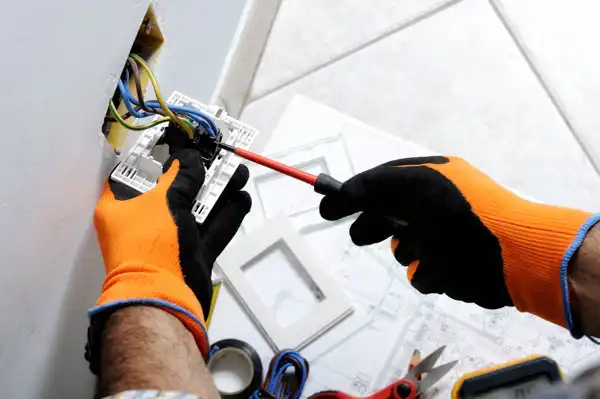
The house is not divided into neat little departments
On paper, plumbing, heating, air conditioning, and electrical work are distinct trades. In real buildings, they mingle like relatives at a wedding buffet.
A water heater may need plumbing connections, gas installation service, venting considerations, and sometimes electrical components. A heat pump installation involves refrigerant handling, correct equipment sizing, electrical connections, and proper airflow. Air conditioning maintenance can involve condensate drainage, which means a cooling problem can become a water problem. A furnace repair service may uncover issues with controls, gas supply, or venting. Drain cleaning may reveal that the pipe itself is fine, but the downstream connection is not cooperating.
That is why experienced service companies tend to think in systems, not isolated gadgets. A Heating contractor who only stares at the furnace and ignores the air distribution is missing part of the story. An Air conditioning contractor who installs equipment without attention to sizing and refrigerant charge is gambling with efficiency and reliability. A Plumber who clears a line but never asks why it keeps clogging is treating the symptom like it won a lifetime contract.
The best maintenance work has a little detective in it. The clue might be a damp cabinet floor, a tripped breaker, a weak drain, a short-cycling air conditioner, or a water heater that performs well only when nobody actually needs hot water. Houses rarely confess directly. They prefer riddles.
Where septic service and plumbing maintenance meet
Septic system service is often discussed separately from indoor plumbing, and for good reason. Septic systems are their own specialty, with their own service practices and local requirements. Still, the indoor plumbing does not stop at the wall and politely vanish. Wastewater has to move from fixtures to drains to the building sewer or septic connection. When that path is restricted, broken, misused, or poorly maintained, the effects show up inside first.
A homeowner may notice slow drains, unpleasant odors, repeated backups, or fixtures that behave as if they are sharing a bad secret. The immediate temptation is to blame the closest visible thing. The toilet is right there, looking guilty. The kitchen sink has priors. The tub drain has been collecting hair since the previous presidential administration.
But plumbing diagnostics should resist the easy accusation. A single slow fixture suggests a local blockage. Multiple affected fixtures rooter plumbing service may point farther downstream. A recurring issue after basic drain cleaning may call for a better look at the line rather than another round of wishful plunging. Rooter service and Hydrojetting both have their place, but they are not magic spells. The right method depends on the condition of the pipe, the nature of the obstruction, and what the technician finds.
This is where judgment matters. Aggressive cleaning in a compromised line can turn a maintenance visit into an excavation conversation. Gentle cleaning on a severe blockage can waste time and leave the customer staring at the same problem next week. Professional restraint is not timidity. It is knowing when the machine should come out, when inspection should come first, and when the septic specialist needs to be part of the call.
Drain cleaning is not a personality test, but it feels like one
Few parts of maintenance inspire more household folklore than drains. People pour things into them with the confidence of medieval alchemists. Grease, hair, soap residue, food scraps, mystery liquids from under the sink, and the occasional small toy all join the expedition. The drain is expected to accept these offerings in silence.
Drain cleaning is the trade’s reminder that pipes are not trash chutes. They are engineered pathways with limits. A Rooter service can restore flow when roots or obstructions invade the line. Hydrojetting can scour certain lines with high-pressure water when appropriate. Simple mechanical clearing may solve a local clog. The trick is matching the cure to the condition.
A seasoned plumber listens before reaching for equipment. Which fixtures are affected? How long has it been happening? Did it start suddenly or creep in like a cat deciding the chair belongs to her? Has the line been cleaned before? Did the problem return quickly? These questions sound ordinary, but they separate a one-time clog from a chronic drainage issue.
A practical service visit often turns on small observations. If a lavatory sink drains slowly but everything else behaves, the issue may be close to the fixture. If flushing a toilet makes a nearby tub gurgle, the problem may sit deeper in the drainage system. If several fixtures back up at once, the main line or downstream connection deserves attention. None of that requires drama. It requires a technician who is not paid by the assumption.
Plumbing leak repair: the quiet emergency
A dramatic leak gets respect. Water spraying from a pipe has stage presence. People move quickly. Towels appear. Someone says words not suitable for a school newsletter.
The quieter leak is more devious. A small drip under a sink, a damp patch near a water heater, a stain under a ceiling, or a valve that crusts over slowly can do damage before anyone feels urgency. Plumbing leak repair is not only about stopping water. It is about finding the source, identifying the affected materials, and understanding whether the leak is isolated or a sign of aging plumbing.
Plumbing repiping enters the conversation when repairs become too frequent, sections are deteriorating, or the system no longer performs reliably. Repiping is not a casual upsell when done responsibly. It is a major step, and it should be justified by the condition of the system, the history of failures, and the risks of continuing to patch. Some buildings need a single fitting replaced. Others are trying to run a modern household through plumbing that has earned retirement cake.
Water quality also plays a role. Water softener installation may be considered where hard water contributes to scale or appliance wear, depending on the local water conditions and the home’s needs. A softener is not a universal cure-all, and it must be selected and installed with attention to the plumbing system it joins. The point is not to collect equipment. The point is to solve the actual problem.
Water heaters: where plumbing, energy, and patience collide
Water heater repair and Water heater installation are classic examples of trade overlap. The unit connects to the plumbing system, may involve gas or electric service, and often sits near other mechanical equipment. When it fails, the entire household suddenly discovers how emotionally attached it is to hot showers.
Repair can make sense when the issue is limited and the equipment is otherwise in serviceable condition. Replacement becomes more reasonable when failures repeat, performance drops, or the unit no longer suits the household’s demand. The technician’s job is not to bully the customer into a shiny new tank or heroic repair. The job is to explain what failed, what the options are, and what risks attach to each path.
Installation quality matters. Sloppy water heater installation can create leaks, performance problems, and safety concerns. Proper connections, appropriate materials, and attention to the specific type of unit are not decorative details. They are the difference between a system that works quietly and one that becomes an expensive educational seminar.
Gas installation service adds another layer. Gas piping, appliance connections, and related safety considerations belong in qualified hands. A gas appliance is not a weekend experiment unless the weekend plan includes calling someone licensed while standing in the yard looking nervous.
HVAC maintenance belongs in the same conversation
At first glance, Air conditioning repair and septic system service seem to live on different planets. One deals with comfort cooling. The other deals with wastewater. Yet for many service businesses, plumbing, heating, and air-conditioning form a practical family of work. Heating and cooling contractors install, maintain, and repair equipment. Their services can include installation, maintenance, repairs, duct cleaning, and plumbing or electrical work associated with heating and cooling equipment.
That association is not accidental. Mechanical systems share space, power, drainage, controls, and customer expectations. A condensate drain from an air conditioner can clog and create water damage. A furnace may need electrical diagnosis. A heat pump installation requires correct sizing and refrigerant charging. A poorly charged air conditioner or heat pump can use more energy and face a higher risk of failure. That is not glamorous, but neither is buying a compressor because someone treated refrigerant like seasoning.
Air conditioning maintenance and an Air conditioning tune-up are not just rituals performed to appease the thermostat gods. Done properly, they help verify operation, clean or inspect key components, check airflow concerns, and catch small problems before they become sweaty emergencies. The same logic applies to heating equipment. A Furnace repair service visit may fix the immediate fault, but recurring issues may suggest a deeper installation, control, airflow, or maintenance problem.
A good Heating contractor and Air conditioning contractor both understand that equipment is only as good as the conditions around it. Correct sizing matters. Proper installation matters. Maintenance matters. The fanciest unit in the catalog will not overcome bad design, poor setup, or neglect. It will simply fail with better branding.
The electrician is not an optional character
Electrical work is classified separately from plumbing, heating, and air-conditioning work, and there is wisdom in that separation. Electrical systems deserve respect. They also support many of the mechanical systems homeowners rely on every day.
An Electrician may be needed for dedicated circuits, equipment power, controls, panels, safety upgrades, or troubleshooting when a mechanical problem is really an electrical one wearing a fake mustache. A Lighting contractor might seem far removed from plumbing and HVAC, but in real maintenance work, visibility and safe access matter. Equipment rooms, crawlspaces, basements, and exterior service areas are much less entertaining when the only light source is a phone held between someone’s teeth.
This does not mean every plumbing or HVAC visit needs an electrician hovering nearby like a chaperone. It means qualified trades should know their limits. The best contractors do not improvise outside their lane. They coordinate. Customers sometimes worry that involving another trade complicates the job. It can, but it often prevents a worse complication: the wrong person doing the wrong work confidently.
Maintenance is cheaper than panic, though panic has better sound effects
Emergency service has its place. Pipes burst. Equipment fails. Drains back up. Air conditioners quit during heat waves with the timing of a villain. But planned maintenance usually costs less than crisis work, and it lets decisions happen when everyone is wearing dry socks.
The trouble is that maintenance does not feel urgent when everything works. A drain that moves water properly does not receive applause. A water heater that heats water is ignored until it mutinies. An air conditioner that cools the house becomes part of the background hum of civilization.
Still, steady attention pays off. Plumbing maintenance can reveal leaks, corrosion, drainage weaknesses, and fixture issues. Septic system service can be coordinated with the condition and behavior of the building’s drainage. HVAC maintenance can catch performance problems before peak season. Air conditioning repair service is much less festive when everyone else in town is also calling because the weather decided to test the grid and every compressor at once.
Here is a short, practical rhythm that keeps many homes out of trouble without turning maintenance into a second career:
- Pay attention to changes in drain speed, odors, water pressure, equipment noise, and temperature performance.
- Schedule service before peak heating or cooling seasons when possible.
- Treat repeated clogs, leaks, or equipment faults as patterns, not coincidences.
- Keep access clear around water heaters, HVAC equipment, panels, and cleanouts.
- Use qualified trades for plumbing, HVAC, gas, and electrical work rather than heroic guesswork.
That is the whole philosophy in miniature. Notice early. Service thoughtfully. Do not wait for the basement to become an indoor pond with opinions.
The uncomfortable truth about “quick fixes”
Every trade has quick fixes. Some are legitimate. Some are theater. The hard part for customers is telling the difference while under pressure.
A legitimate quick fix solves a clearly identified problem and does not hide a larger hazard. Clearing a simple fixture clog, replacing a worn part, repairing a small leak, or correcting a minor control issue can all be sensible. A theatrical quick fix produces temporary relief while dodging the reason the issue exists. That is how homeowners end up paying for the same drain cleaning three times, the same air conditioning repair twice, or the same water heater complaint until everyone involved can recite the symptoms from memory.
Good contractors explain the difference. They may say, “We can get it working today, but this is likely to return,” or “Repair is reasonable, but replacement should be on your radar,” or “This line needs further evaluation before hydrojetting.” That kind of candor is not always what people want to hear, but it is better than cheerful nonsense.
The same applies to installation. Heat pump installation, Water heater installation, Plumbing repiping, and Water softener installation all require choices that affect long-term performance. A low bid that skips sizing, setup, access, or compatibility can become the most expensive option in a fake mustache. Nobody brags about paying twice, except maybe philosophers and people who enjoy learning through invoices.
How to judge a service visit without owning a tool belt
Most customers do not need to know the internal details of every system. They do need enough practical awareness to judge whether a service visit feels competent.
A strong technician asks relevant questions, inspects before prescribing, explains findings in plain language, and distinguishes immediate repairs from longer-term recommendations. They do not need to deliver a graduate lecture beside the water heater, but they should be able to say what they found and why the proposed work makes sense.
For HVAC work, quality includes attention to installation details such as correct sizing and proper refrigerant charging for air conditioners and heat pumps. For plumbing, quality includes diagnosing the location and nature of leaks or restrictions rather than treating every symptom the same way. For septic-related concerns, quality includes recognizing when the issue may extend beyond indoor plumbing and needs appropriate septic system service. For electrical work, quality means respecting that electrical systems are a separate specialty, not a convenient playground.
The red flags are usually behavioral before they are technical. A contractor who refuses to explain anything, recommends major work without evidence, dismisses repeated symptoms, or blames the customer for asking questions may not be your ideal long-term partner. Witty uniforms are optional. Clear communication is not.
When plumbing and HVAC decisions overlap
Some home projects involve more than one trade from the start. Replacing a water heater may involve plumbing and gas or electrical considerations. Installing a heat pump can involve HVAC expertise and electrical coordination. Air conditioning maintenance may include condensate drainage concerns. Furnace repair may involve controls and power as well as heating components.
These overlaps are normal. In fact, they are part of why the plumbing, heating, and air-conditioning sector is grouped as a family of special trade work, while electrical work remains a distinct but frequently related specialty. Customers benefit when contractors understand both the overlap and the boundary.
A service company that offers Plumber services, Heating contractor support, Air conditioning repair service, and coordination with Electrician work can reduce finger-pointing. Still, breadth is only valuable when backed by competence. “We do everything” is not a qualification by itself. A Swiss Army knife is handy, but nobody wants it performing surgery.
The smart question is not simply whether a company lists many services. It is whether they handle each service with the right training, tools, and judgment. Air conditioning repair is different from Drain cleaning. Gas installation service is different from Lighting contractor work. Septic system service is different from Water heater repair. Related, yes. Interchangeable, no.
The seasonal trap
Mechanical problems love seasons. Air conditioners wait for the first serious heat. Furnaces prefer cold snaps. Plumbing issues enjoy holidays, dinner parties, and any moment when guests outnumber bathrooms.
Seasonal timing affects service availability. When heat arrives, Air conditioning repair calls surge. When cold weather settles in, Furnace repair service becomes urgent. Planned Air conditioning maintenance or an Air conditioning tune-up before peak demand can make scheduling easier and may catch problems before comfort depends on immediate repair. The same practical logic applies to heating maintenance before cold weather.
Plumbing and septic concerns do not always follow the same neat calendar, but household usage patterns matter. More guests, more cooking, more laundry, and more fixture use can expose weak drains or plumbing leaks. A drain that was “a little slow” under normal use may become “the downstairs bathroom has declared independence” during a family visit.
Maintenance cannot prevent every failure. Anyone who promises that has never met a mechanical system with a sense of timing. But maintenance can reduce surprises, improve performance, and give homeowners a clearer picture of what is aging, what is stable, and what deserves attention soon.
A sensible way to think about cost
Cost is not only the price on today’s invoice. It is also the cost of recurrence, damage, wasted energy, inconvenience, and avoidable replacement.
A cheap drain clearing that ignores a recurring main line issue may not be cheap. A bargain air conditioner installation with poor sizing or refrigerant charging may cost more in energy use and repairs. A delayed Plumbing leak repair may become a ceiling repair, cabinet repair, flooring repair, and marital debate. A neglected water heater may fail at the least charming possible hour.
On the other hand, not every issue calls for the most expensive solution. Responsible maintenance avoids both extremes: penny-wise neglect and gold-plated overreaction. The right answer often sits in the middle, where the technician fixes what is failing, documents what is wearing, and helps the customer plan.
A homeowner might choose a repair today and budget for replacement later. They might clear a line now but schedule further evaluation if the clog returns. They might perform Air conditioning maintenance before deciding whether replacement is justified. Good service leaves room for judgment, not just transactions.
The best maintenance plan is boring, which is the point
Boring is underrated. A boring plumbing system drains properly. A boring water heater heats water. A boring septic connection does not announce itself. A boring air conditioner cools the home without drama. Boring furnace operation is especially lovely when the weather outside is practicing villainy.
Septic system service and plumbing maintenance protect that boredom. They keep wastewater moving where it belongs, preserve fixtures and piping, and help identify when indoor symptoms may point to downstream concerns. When paired with competent HVAC maintenance, heating repair, air conditioning repair, and proper installation practices, the whole property becomes easier to live with.
The work may involve a Plumber, an Air conditioning contractor, a Heating contractor, an Electrician, or a specialist for septic concerns. It may involve Drain cleaning, Rooter service, Hydrojetting, Water heater repair, Water heater installation, Plumbing repiping, Water softener installation, Furnace repair service, Gas installation service, Air conditioning maintenance, or Heat pump installation. The common thread is not the tool. It is the disciplined habit of matching the service to the problem.
A well-maintained home does not happen by accident. It happens because someone noticed the slow drain before the backup, the small leak before the damage, the weak cooling before the heat wave, and the aging equipment before failure turned into an event with towels.
That is not glamorous. It is better than glamorous. It is dry floors, steady hot water, comfortable rooms, safe equipment, and drains that do their one job without editorial comment. In the trades, that counts as poetry.
Name: Service Lion Plumbing Heating Air Electric
Address: 521 W Briardale Ave, Orange, CA 92865, United States
Phone: (657) 567-7305
Website: https://callservicelion.com/
Email: [email protected]
Hours:
Monday: Open 24 hours
Tuesday: Open 24 hours
Wednesday: Open 24 hours
Thursday: Open 24 hours
Friday: Open 24 hours
Saturday: Open 24 hours
Sunday: Open 24 hours
Open-location code: R48R+WV Orange, California, USA
Map/listing URL:
https://www.google.com/maps/search/?api=1&query=Google&query_place_id=ChIJQU4LBWHV3IARtnABtyykSA4
Google Map:
Socials:
https://www.facebook.com/ServiceLionCA/
https://www.youtube.com/channel/UCR_L35QzsRTxYZtX8PxJvPw
Local Service Information
Service Lion Plumbing Heating Air Electric provides plumbing, drain, heating, air conditioning, and electrical services from its Orange, California location.The company serves homeowners and properties throughout Orange and communities across Orange County and surrounding areas.
Available services include plumbing repairs, water heater work, drain and sewer services, heating and cooling service, electrical repairs, panels, lighting, outlets, and related home-system work.
Service is available for residential properties as well as light commercial needs described within the company's local service-area information.
The company's website emphasizes locally operated service, coordinated home-system support, and practical scheduling for plumbing, HVAC, and electrical needs.
The matching public business listing shows the Orange location as open 24 hours a day, seven days a week.
For service information or scheduling, call (657) 567-7305 or visit https://callservicelion.com/.
The public map listing identifies the business at 521 W Briardale Ave, Orange, CA 92865 and can be used for location and direction information.
Popular Questions About Service Lion Plumbing Heating Air Electric
What services does Service Lion Plumbing Heating Air Electric provide?
The company provides plumbing, drain and sewer, heating, air conditioning, and electrical services. Its published services include plumbing repair, water heaters, drain clearing, sewer work, HVAC repair and installation, electrical repairs, panels, circuit breakers, lighting, outlets, and related services.
Where is Service Lion Plumbing Heating Air Electric located?
The matching business location is 521 W Briardale Ave, Orange, CA 92865, United States.
What areas does Service Lion Plumbing Heating Air Electric serve?
The company serves Orange County and surrounding communities. Its published service-area information includes Orange, Anaheim, Brea, Yorba Linda, Fullerton, Huntington Beach, Newport Beach, Costa Mesa, Irvine, Lake Forest, and additional nearby cities.
Is Service Lion Plumbing Heating Air Electric open 24 hours?
The matching public business listing shows the location as open 24 hours on Monday through Sunday.
Does Service Lion Plumbing Heating Air Electric work on drains and sewer lines?
Yes. Published services include drain clearing, rooter service, camera inspection, hydro jetting, sewer line repair and installation, water line work, slab leak detection, and trenchless sewer line repair.
Does Service Lion Plumbing Heating Air Electric provide heating and air conditioning service?
Yes. Its published HVAC services include air conditioning repair and installation, heating service, furnace work, heat pumps, air ducts, indoor air quality assessments, and thermostat installation.
Does Service Lion Plumbing Heating Air Electric provide electrical service?
Yes. Published electrical services include repairs and installations, electrical panels, circuit breakers, safety inspections, lighting, outlets and switches, surge protection, generators, and EV charging equipment installation.
How can I contact Service Lion Plumbing Heating Air Electric?
Call (657) 567-7305.
Email: [email protected]
Website: https://callservicelion.com/
Facebook: https://www.facebook.com/ServiceLionCA/
Landmarks Near Orange, California
Old Towne Orange Historic District
A central historic district and useful geographic reference point for the Orange community.
Plaza Park
A well-known public gathering point in the center of Old Towne Orange.
Orange Public Library & History Center
A civic landmark serving residents near central Orange.
Hart Park
A major public park and recreation area south of central Orange.
Eisenhower Park
A public park serving neighborhoods in northern Orange.
Santiago Oaks Regional Park
A regional recreation and open-space landmark on the eastern side of Orange.
Irvine Regional Park
A large regional park and recognizable reference point east of the city.
Orange Park Acres
A distinctive residential community and service-area reference point in eastern Orange.
El Modena
An established Orange neighborhood that provides a practical local coverage reference.
Glassell Street
One of the city's principal north-south streets and a useful route through central Orange.
Lincoln Avenue
A major east-west roadway serving northern Orange and nearby communities.
State Route 55
A primary regional freeway connecting Orange with other parts of Orange County.